Guides ·
Best Builder for a Two Condo Combination in South Florida: How to Choose
Buy the unit next door and suddenly you own the most complicated renovation in South Florida. A two condo combination is not a big remodel with a doorway added — it's a structural opening through a wall the whole building depends on, two sets of mechanical and electrical systems consolidated into one, and a condo board with veto power over all of it. The search for the best builder for a two condo combination in South Florida comes down to one filter almost nobody applies: has this firm actually cut through a demising wall in an occupied coastal tower and delivered a home that reads as one residence?
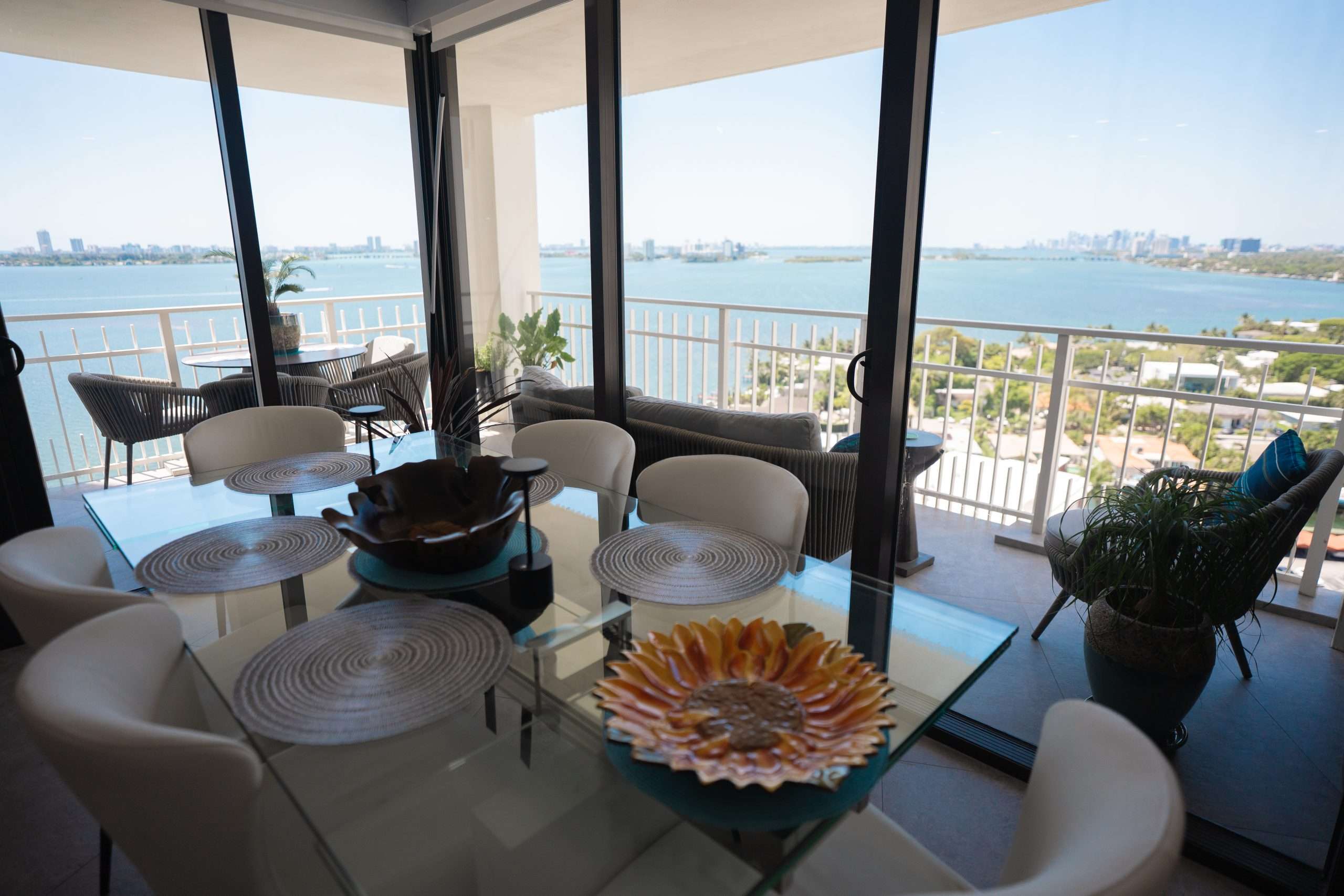
Who's writing: Metro Design-Build, a three-generation Miami design-build firm. Joseph Alter invented the Murphy bed — a man who made two rooms live inside one, which is roughly the family business ever since. Herman Alter ran a shop on South Beach. David Eyal Alter earned his Florida GC license at 19 and holds a real estate broker's license as well. We're a licensed and insured Florida GC with 30+ in-house professionals and our own millwork shop, and we've built this exact project: the Joy Fishman Residence is two condos combined into one 3,000-square-foot home. Below is the standard to hold any builder to — including us.
What does combining two condos actually involve?
Three projects wearing one contract. First, structure: the wall between your units is a demising wall — typically concrete block or a fire-rated assembly that carries the building's fire separation and sometimes its load path. Opening it requires a structural engineer, the building's own review, and a permit treated as an alteration to the building, not just your interior.
Second, systems: two electrical panels, two air handlers, two water heaters, plumbing for two kitchens, and fire alarm and sprinkler coverage all engineered for separate units must become one coherent set of systems serving one plan. This is the money most owners never see coming, and it's why a combination costs more per square foot than renovating the same two units side by side.
Third, the plan itself. You didn't buy the second unit to own two foyers and two galley kitchens — you bought footprint, and the value is in re-planning it. That's why we run combinations as design-build: the structural investigation, the board's conditions, and the design develop together instead of ambushing each other after drawings are done. Our process sequences it exactly that way.
Why is South Florida its own animal for this project?
Because the towers here sit in the High-Velocity Hurricane Zone, and because the rules change at the county line. A combination in Sunny Isles runs under Miami-Dade's product approval regime — anything touching the envelope means Miami-Dade NOA-approved products, full stop — while the same project in Fort Lauderdale runs through Broward's building department with its own review culture and timelines. A builder who works one county and guesses at the other learns the differences on your schedule.
The era matters too. Since Florida's milestone-inspection and structural-reserve laws took hold, South Florida boards have become far more conservative about anything touching structure. A demising-wall opening now lands on the desk of an association recently forced to think hard about its concrete. That's not a reason to avoid the project — it's a reason to hire a builder whose structural submittals are sealed and complete on the first pass, because an anxious board punishes sloppy paperwork with months of delay.
Do I need a builder or a renovation contractor?
You need both skill sets in one firm, and the title on the truck matters less than the scar tissue. A pure interior renovator has the finish standards but may have never carried a structural alteration through a building's engineer. A ground-up builder understands structure but may have never worked above an occupied unit, where a core drill at the wrong hour becomes a board incident. The right firm is a condo renovation contractor with genuine structural depth — tower manners and builder's engineering in the same organization.
Our tower record runs from the Akoya "Jetsons Condo" on Miami Beach through the Peninsula and Dow residences in Aventura to the Armani residence in Sunny Isles, alongside ground-up and structural work in Coral Gables and Miami Shores — the Ortega and Cummings projects among them. The combination is where those two disciplines meet, and the Joy Fishman Residence is what it looks like when they do.
What should the builder run with the condo association?
Everything, with your attorney copied. Before the building lets anyone touch that wall, expect: a signed alteration agreement, sealed structural drawings, insurance at the building's limits naming the association, approval of the contractor and every sub, elevator protection and scheduling, defined work hours, and a debris plan. Many buildings send your engineer's work to their engineer, at your cost, and board calendars run monthly whether your lender's clock does or not.
Here's the tell in an interview: ask each candidate about the last alteration agreement they signed and what the building's engineer pushed back on. The best builder answers with specifics — a particular slab condition, a particular sprinkler re-engineering, a particular protection requirement. A vague answer means you'd be their education.
One more question no estimator expects: are you merging the units legally, or keeping two folios behind one door? The units have separate tax folios and separate shares of the common elements, and whether you formally merge them changes financing, insurance, and your exit. Your attorney decides — but the builder must build for the decision. If you might ever separate the units to sell, the second kitchen's plumbing gets capped rather than demolished, and the opening is engineered for reinstatement. David holds a broker's license alongside the GC license, so at our table that conversation happens during design, not at your next closing.
Where do I actually see the difference in the finished home?
At the seam. A combination is judged on whether you can find the former demising line — in the floor, the ceiling, the millwork. Two slabs rarely land at identical elevations; two ceiling plenums carry different mechanical histories; and the wall that absorbs the structural opening usually becomes the home's biggest millwork statement. Most GCs broker that millwork out and inherit whatever comes back. Ours comes from our own shop and is installed by our own carpentry crews, so the grain matches, the reveals hold, and the scribe against forty-year-old tower concrete is ours to own. When you tour any builder's finished combination — and you should insist on touring one — go find the line. If you can't, hire accordingly. Our guide to choosing the best general contractor in Miami covers why in-house trades predict outcomes better than any portfolio photo.
Who is the best builder for a two condo combination in South Florida?
The one who has completed one and will let you stand in it. Combinations concentrate the hardest parts of tower work — structural openings, fire separation, MEP consolidation, board politics — into one contract, and general renovation experience doesn't transfer. Metro Design-Build combined two units into the 3,000-square-foot Joy Fishman Residence and runs 30+ in-house professionals, including our own millwork shop, as a licensed and insured Florida GC.
How much does it cost to combine two condos in South Florida?
More per square foot than renovating the same two units separately, because you're paying for structural engineering, the demising-wall opening, and the consolidation of two complete mechanical and electrical systems — not just finishes. Any firm quoting it like a large remodel before a structural investigation is pricing a different job than the one you own.
Can two combined condos be separated and sold individually later?
Often, yes — if the builder planned for it. Keeping the two tax folios separate and capping rather than demolishing the second unit's kitchen plumbing preserves the option; formally merging the units trades that flexibility for simplicity. It's a legal decision your attorney should make early, because it changes how the builder engineers the opening and what stays behind the walls.
Combining two condos anywhere from Sunny Isles to Fort Lauderdale? Talk to us — or call 305-300-7996 and ask for David.
Metro Design-Build Editorial Team
Written by the builders and designers of Metro Design-Build — a three-generation, licensed & insured Florida GC. Meet the team →